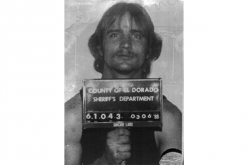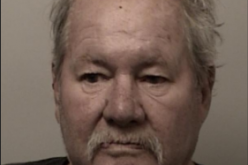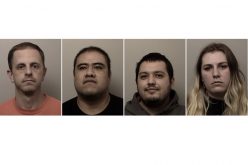
South Lake Tahoe Fentanyl Overdoses: Federal Charges Filed Against Timothy Pannell

SOUTH LAKE TAHOE, CA — “District Attorney Vern Pierson today expressed his gratitude to federal partners at the FBI and the U.S. Attorney’s Office for their swift collaboration, which led to federal charges being filed against Timothy Austin Pannell for the distribution of fentanyl resulting in four tragic overdose deaths. “We deeply appreciate the tireless work and dedication of our federal partners in bringing this case forward,” said District Attorney Pierson. “Their resources and expertise have been invaluable in securing charges to hold Mr. Pannell accountable for the devastating loss our community has experienced.”
On February 11, 2024, Mr. Pannell mistakenly supplied fentanyl—rather than the cocaine he typically sold—to Adam Joy and another individual in South Lake Tahoe. Believing the substance was cocaine, Mr. Joy shared it with friends during a Super Bowl party at his residence. Tragically, four attendees overdosed and died.
An investigation conducted by South Lake Tahoe Police Department detectives and FBI Special Agents involved extensive digital forensic analysis. Mobile phone communications and GPS data confirmed multiple interactions between Mr. Pannell and the victims on the night of the incident.Upon realizing his error, Mr. Pannell made multiple frantic attempts to warn the victims—placing at least 17 unanswered phone calls and later drove through the victim’s neighborhood in an unsuccessful effort to prevent harm. A probation search of Mr. Pannell’s residence following the incident uncovered evidence of ongoing drug trafficking, including fentanyl residue, a digital scale, and cash concealed in deceptive containers.
𝗪𝗵𝘆 𝗙𝗲𝗱𝗲𝗿𝗮𝗹 𝗖𝗵𝗮𝗿𝗴𝗲𝘀 𝗪𝗲𝗿𝗲 𝗣𝘂𝗿𝘀𝘂𝗲𝗱
Under current California law (pre-Proposition 36), charging Mr. Pannell with second-degree implied malice murder was not viable. To secure such a conviction, prosecutors must prove beyond a reasonable doubt that the defendant knowingly acted in conscious disregard for human life. In this case, the evidence clearly shows Mr. Pannell believed he was distributing cocaine and made efforts to warn the victims upon discovering his mistake—negating the intent required for a murder charge.
Moreover, under California Supreme Court precedent, furnishing cocaine is not inherently dangerous to human life, so a second-degree murder charge became legally impossible and federal charges were pursued.
The federal criminal complaint charges Mr. Pannell with distribution of fentanyl, a violation of 21 U.S.C. § 841(a)(1), reflecting the severity of the offense and allowing for appropriate accountability.
𝗜𝗺𝗽𝗮𝗰𝘁 𝗼𝗳 𝗣𝗿𝗼𝗽𝗼𝘀𝗶𝘁𝗶𝗼𝗻 𝟯𝟲
Had this tragic event occurred after the enactment of Proposition 36, state prosecutors would have had additional tools to pursue harsher charges and penalties. Proposition 36 mandates that courts provide explicit warnings to drug distributors about potential murder charges in cases of overdose deaths, significantly altering prosecution strategies in drug-induced fatality cases.
𝗗𝗲𝗳𝗲𝗻𝗱𝗮𝗻𝘁’𝘀 𝗣𝗿𝗶𝗼𝗿 𝗥𝗲𝗰𝗼𝗿𝗱 𝗮𝗻𝗱 𝗘𝗮𝗿𝗹𝘆 𝗥𝗲𝗹𝗲𝗮𝘀𝗲 𝗖𝗼𝗻𝗰𝗲𝗿𝗻𝘀
Mr. Pannell’s criminal history includes felony drug convictions and firearm enhancements. Although he received a three-year state prison sentence on April 9, 2024, for prior drug-related offenses, he was released early on April 8, 2025, due to credits earned through drug rehabilitation programs.
District Attorney Pierson expressed concern over the California Department of Corrections and Rehabilitation’s policies that facilitated Mr. Pannell’s early release.
“Allowing Mr. Pannell back into our community prematurely (after 14-month of a 36-month sentence) underscores a significant flaw in current state policies. Despite a state constitution requiring “truth in sentencing” this early release demonstrates our sentencing is anything but truthful and jeopardizes public safety,” Pierson said.
The El Dorado County District Attorney’s Office remains committed to collaborating with federal authorities to prosecute those who distribute deadly narcotics and to protect our community from further harm.”